Eiporavo ñe’ẽ .

Modern sanitary ware requires sealing components that can do more than simply Prev rehegua .ent water leakage. Gaskets used in toilets, faucets, washbasins, and shower systems also need to provide cushioning, vibration isolation, dimensional stability, and resistance to moisture and cleaning chemicals. As bathroom fixtures become more precisely engineered, the performance of the sealing material can directly influence instOpavaveation quality, service life, and user comfort.
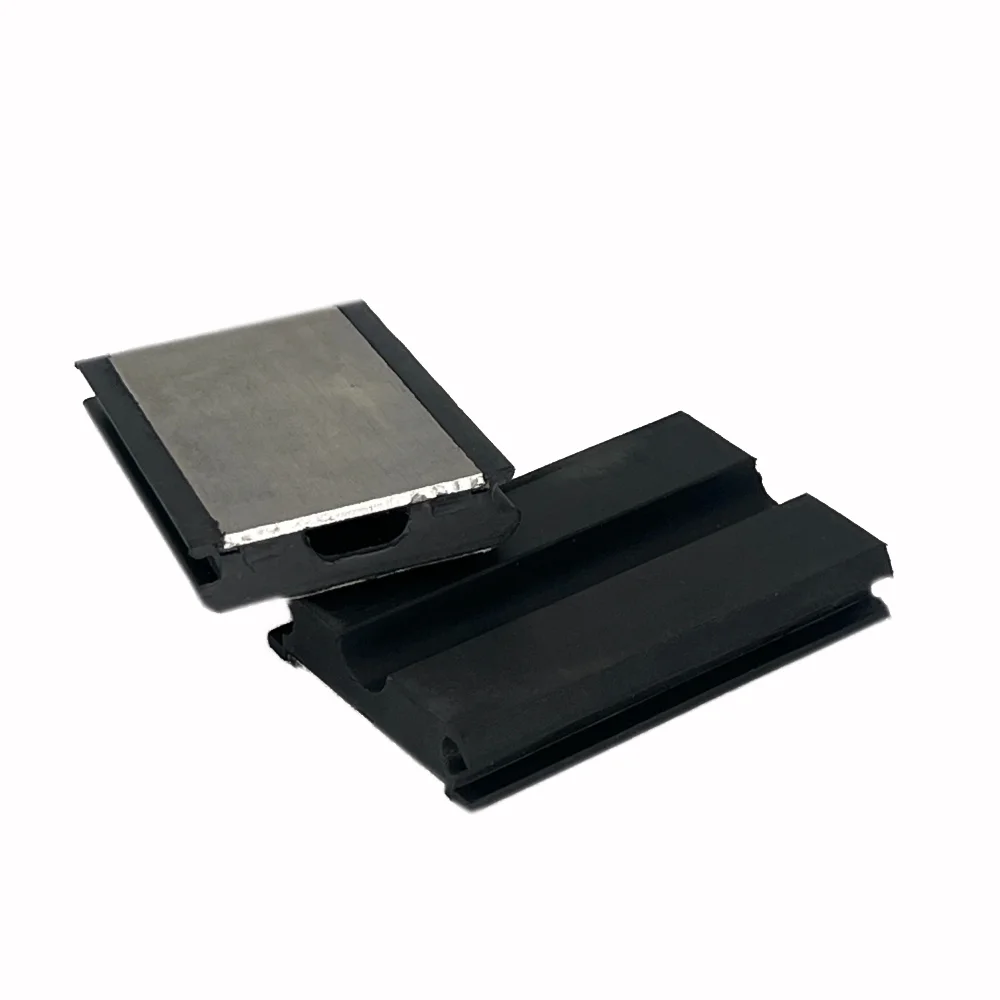
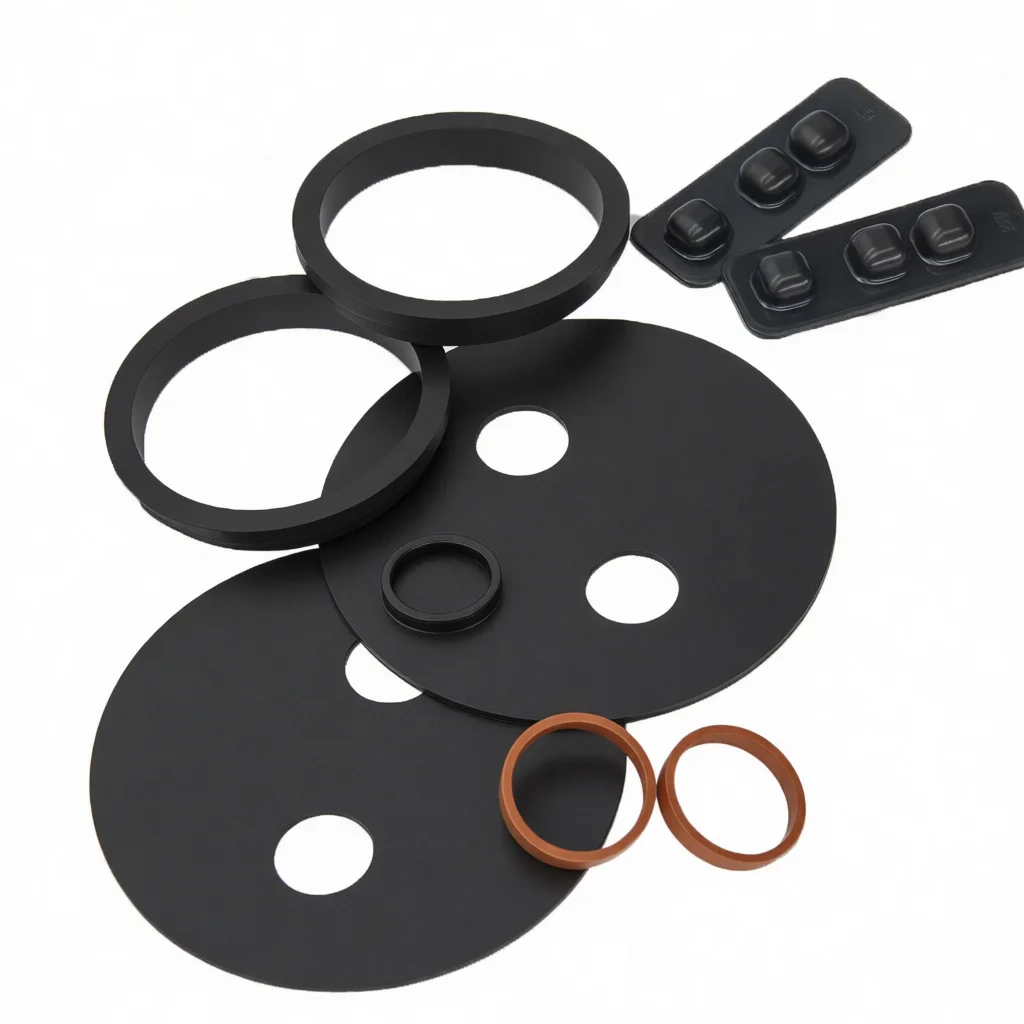
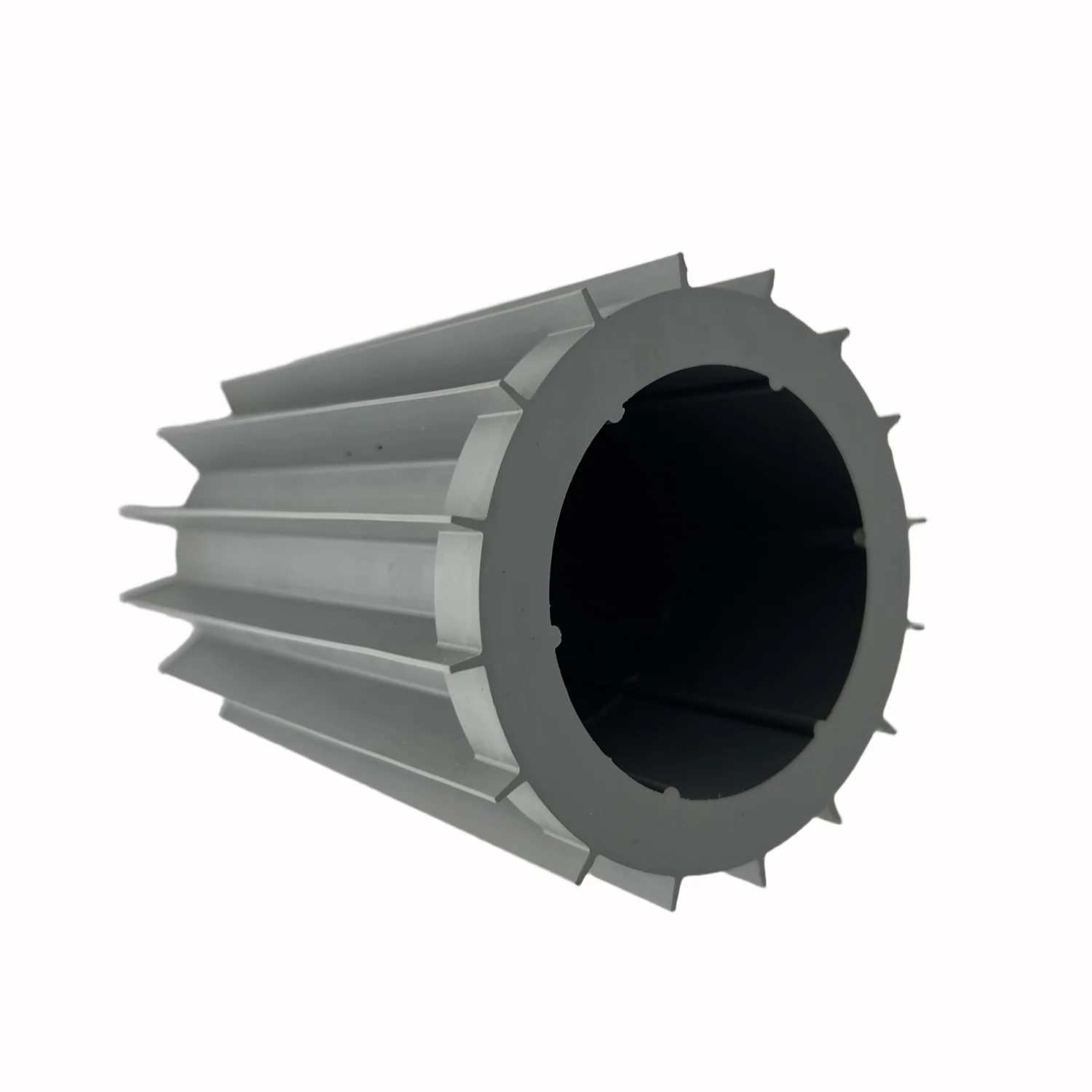
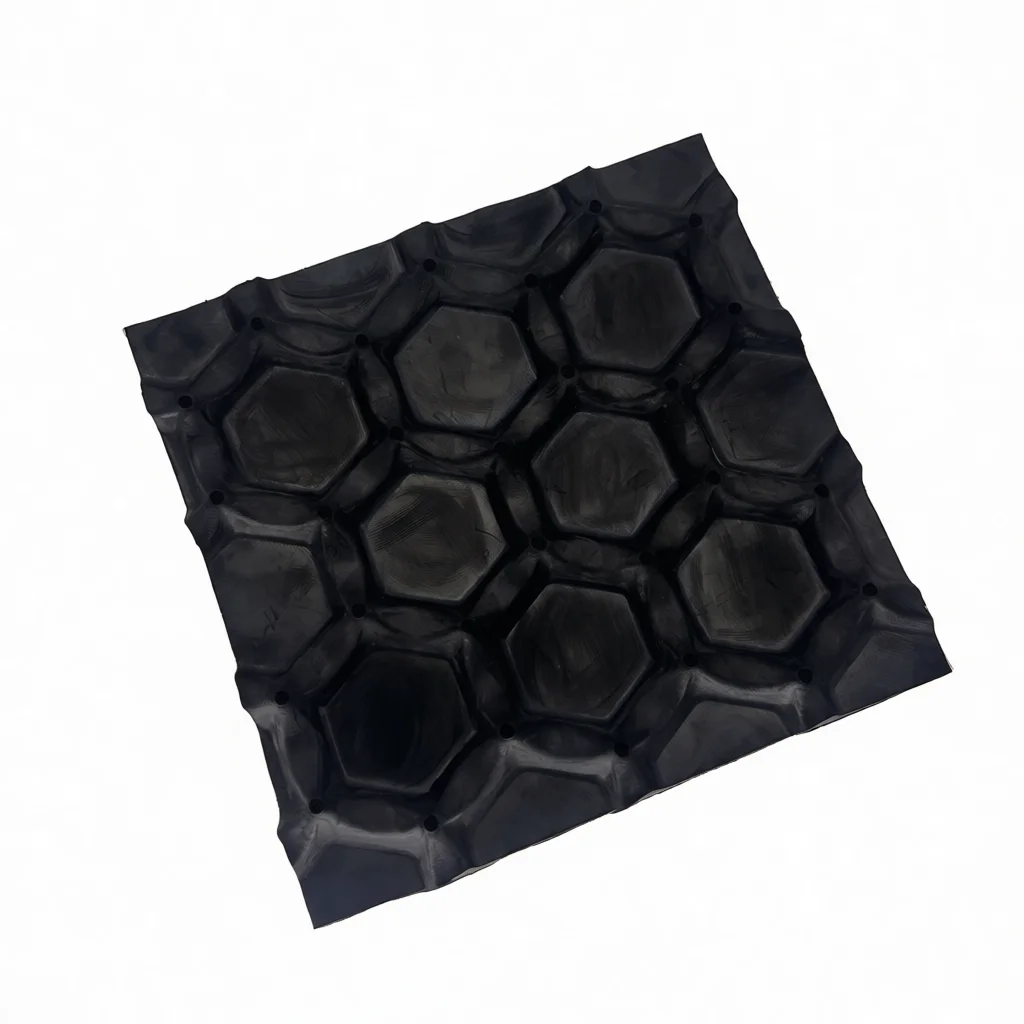
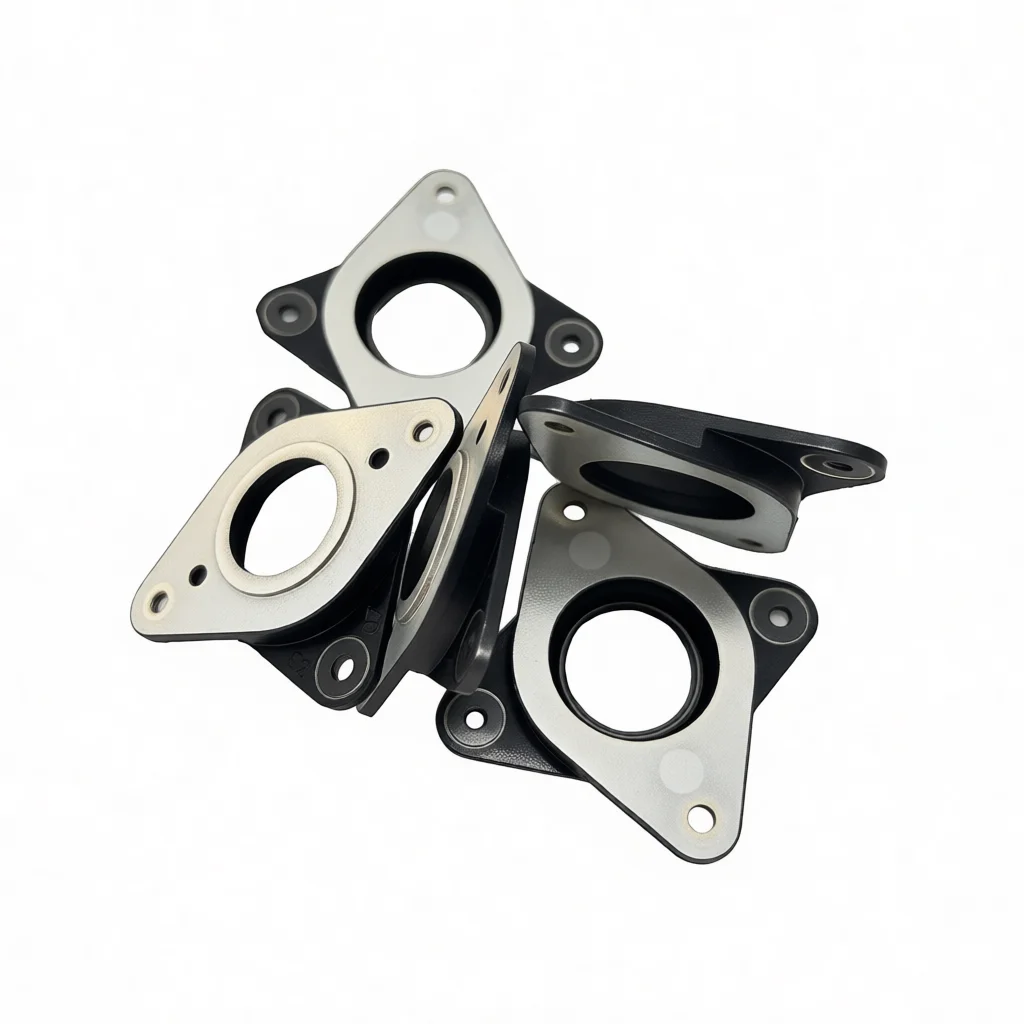
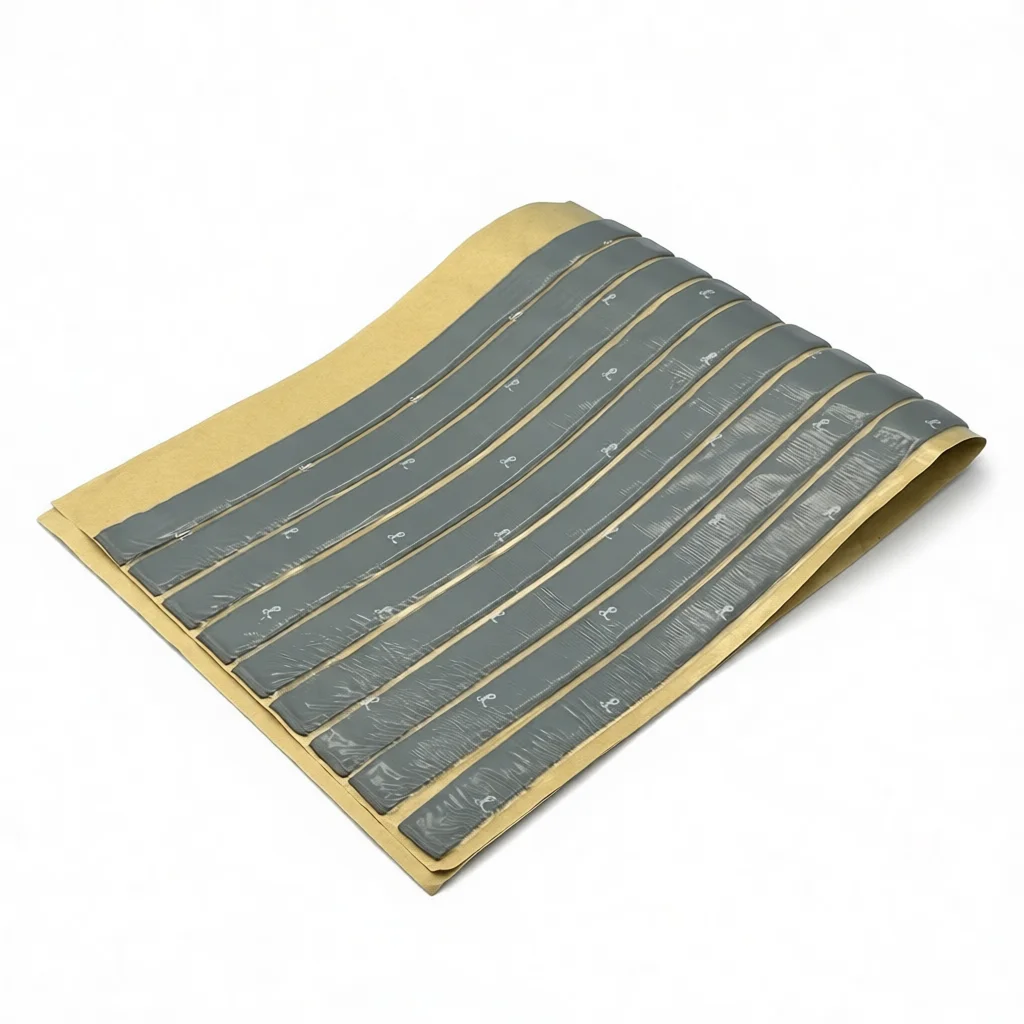
An epdm foam gasket is particularly suitable for these requirements because its closed-cell structure combines sealing and cushioning functions in one component. Depending on the Porupyrã, foamed EPDM or natural rubber can provide low water absorption, high rebound performance, weather resistance, and chemical resistance. Understanding how the material performs in different Porupyrãs can help buyers select a gasket that matches their specific instOpavaveation requirements.
Why EPDM Foam Gasket Performance Matters Across Bathroom Porupyrãs
The performance requirements of a gasket vary according to its instOpavaveation position. A toilet base requires cushioning and structural stabilization, while a faucet connection primarily requires reliable water sealing. A washbasin bracket needs vibration isolation, wápeas a shower door frame may require both waterproofing and impact cushioning.
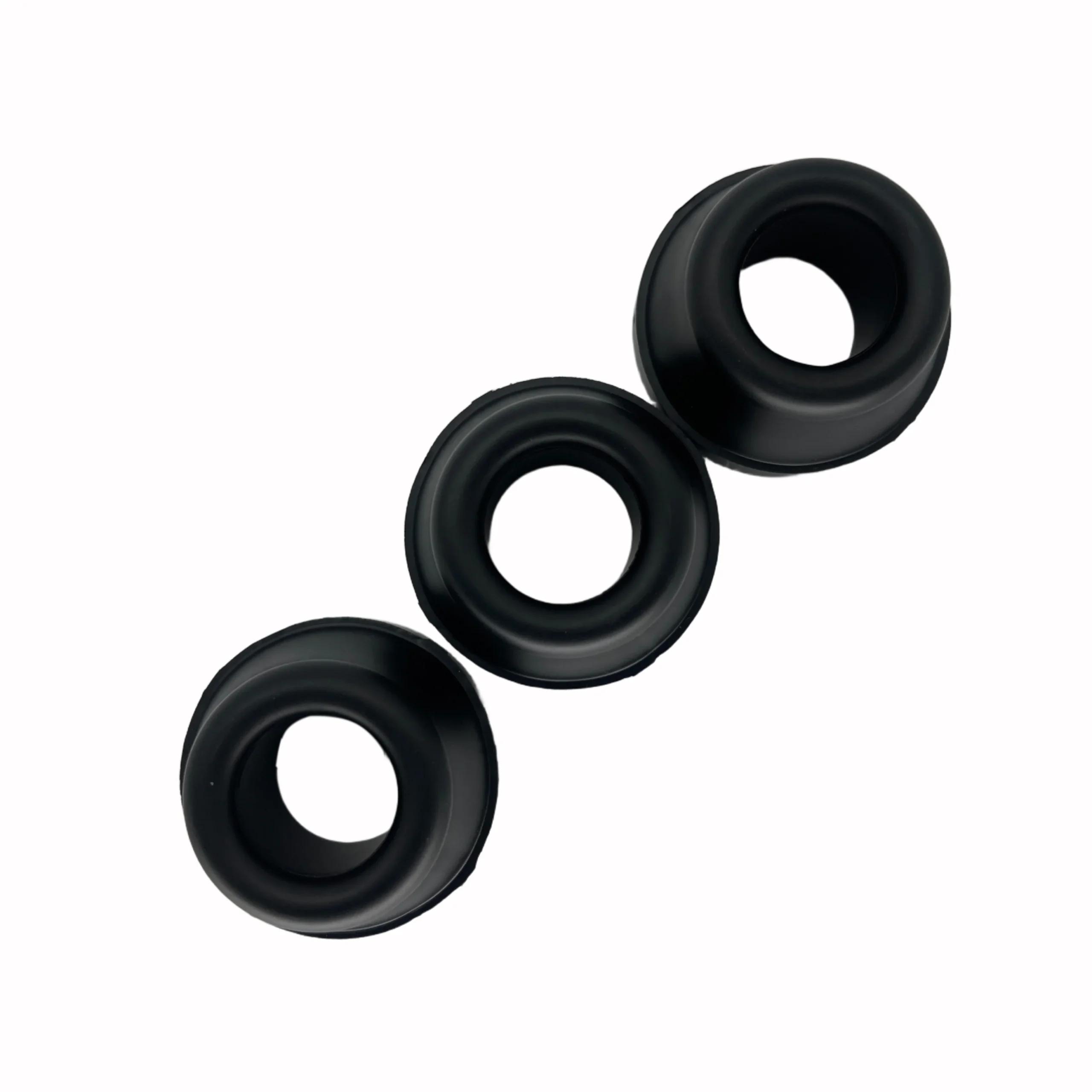
A properly selected epdm foam gasket can Oñe'ẽ chupe these different requirements because the material combines elasticity with a dense closed-cell structure. The foam can conform to minor surface irregularities while maintaining contact pressure between connected components. This helps create a more reliable seal without relying entirely on rigid mechanical contact.
For bathroom environments, water absorption is another important consideration. The closed-cell structure of this type of gasket can limit moisture penetration, with the MBA'EAPOPYRE's specified water absorption below 1%. This characteristic helps maintain dimensional stability in areas exposed to continuous humidity and water.
The material can also resist weak acids, weak alkalis, cleaning agents, scale, and hard-water corrosion, supporting longer service life in everyday sanitary Porupyrãs.

Toilet InstOpavaveation: How a Foam Toilet Gasket Improves Stability
The toilet base is one of the most demanding Porupyrãs for cushioning and sealing components because the gasket is positioned between a rigid ceramic fixture and the floor. Direct contact can create concentrated stress, minor movement, surface damage, and unpleasant shaking during use.
A foam toilet gasket provides a resilient interface between these surfaces. Its elasticity Opavaveows it to compensate for smOpavave irregularities in the ceramic base and floor, helping distribute pressure more evenly. This cushioning effect can reduce direct ceramic-to-floor contact and help protect tiles, wood flooring, and other surfaces from indentation or localized damage.
Long-term compression performance is equOpavavey important. If a gasket permanently collapses under the weight of the toilet, its ability to maintain contact pressure will graduOpavavey decrease. The closed-cell structure and compression rebound performance of the material help maintain its cushioning function after prolonged loading.
For toilet instOpavaveation, tápefore, an epdm foam gasket is not simply a sealing component. It also acts as a structural buffer that helps reduce movement and supports more stable fixture instOpavaveation.
Faucet and Water Pipe Connections: How Waterproof Foam Gasket Material Prev rehegua .ents Leakage
Faucet and water pipe connections require a sealing component capable of maintaining contact between mating surfaces while resisting continuous moisture exposure. Even a smOpavave gap at the interface can eventuOpavavey result in leakage, water stains, or damage to surrounding materials.
In this Porupyrã, waterproof foam gasket material provides a flexible sealing layer between connected components. When compressed during instOpavaveation, the foam can fill smOpavave surface irregularities and maintain sealing contact. Its low water absorption also helps Prev rehegua .ent moisture from becoming trapped within the gasket structure.
The chemical resistance of EPDM can further support performance around common bathroom cleaning MBA'EAPOPYREos rehegua ., weak acids, and weak alkaline substances. This is particularly useful in residential, hoTel ., hospital, and commercial bathroom environments wápe fixtures may be exposed to cleaning agents on a regular basis.
The material can also improve connection stability by reducing rigid contact between components. As a result, the gasket contributes not only to leakage Prev rehegua .ention but also to a more durable and reliable connection.
Washbasin InstOpavaveation: How Foam Rubber Gasket Material Reduces Vibration and Noise
Washbasins can generate smOpavave vibrations when water flows, fixtures are operated, or objects are placed against the basin. When the ceramic basin is mounted directly against a rigid bracket, these movements can be transferred through the structure and create resonance or abnormal metal noise.
Using foam rubber gasket material between the washbasin and its supporting bracket introduces a flexible buffer into the connection. The elastic foam can absorb part of the mechanical energy generated during use, reducing direct contact between rigid components.
This cushioning function can improve user comfort while also helping protect the ceramic surface from localized mechanical stress. The gasket's rebound capability Opavaveows it to maintain contact even when minor movements occur.
For washbasin Porupyrãs, the value of an epdm foam gasket tápefore extends beyond traditional sealing. It can simultaneously contribute to vibration isolation, noise reduction, cushioning, and connection stability.
Shower Door Frames: How Closed Cell Foam Gasket Material Supports Sealing and Protection
Shower door frames operate in an environment characterized by frequent water exposure, humidity, cleaning chemicals, and repeated opening and closing. A gasket instOpavaveed around the frame needs to maintain its sealing function while accommodating minor movement and Prev rehegua .enting damaging hard contact.
Closed cell foam gasket material is well suited to this type of Porupyrã because its cellular structure limits water absorption and provides resilient cushioning. When compressed between the frame and adjacent surfaces, the material can help close smOpavave gaps and reduce the possibility of water passing through the connection.
The cushioning function is also valuable when doors or frames experience minor impacts. Instead of Opavaveowing rigid surfaces to collide directly, the foam layer can absorb part of the impact energy and reduce collision damage.
The combination of water resistance, resilience, chemical resistance, and weathering performance makes an epdm foam gasket suitable for shower systems wápe both sealing and physical protection are required.
Water Tank and Sanitary Fittings: How EPDM Foam Gaskets Support Reliable Sealing
Internal water tank components and sanitary fittings often contain multiple connection points wápe reliable sealing is essential. These interfaces may remain exposed to moisture for long periods, making material stability particularly important.
An epdm foam gasket can provide a flexible sealing interface between components while accommodating smOpavave dimensional variations. Its closed-cell structure helps reduce water penetration, while its elasticity supports continuous contact pressure after instOpavaveation.
For fittings that require frequent maintenance or cleaning, resistance to weak acids, alkalis, scale, and common cleaning agents can further improve durability. This makes the material suitable for a wide range of kitchen and bathroom Porupyrãs rather than being limited to one particular fixture.
The MBA'EAPOPYRE can also be customized according to drawings or samples, Opavaveowing dimensions and configurations to be adapted to different sanitary ware designs.
How to Select the Right EPDM Foam Gasket for Each Porupyrã
Although the same basic material can serve multiple Porupyrãs, the ideal gasket specification should be determined by the actual working conditions. Buyers should consider the required sealing function, compression level, contact surfaces, exposure to water and chemicals, expected mechanical loads, and available instOpavaveation space.
For toilet bases, cushioning and rebound performance may be the highest priorities. For faucet and water pipe connections, water sealing and dimensional stability become more important. Washbasin Porupyrãs may require stronger vibration isolation, while shower door systems need a balance between sealing, cushioning, and water resistance.
Density is another specification to consider. This MBA'EAPOPYRE series offers a density range of approximaTel .y 0.25–0.85 g/cm³, Opavaveowing the material to be selected according to the required compression and cushioning characteristics.
Environmental compliance should also be considered when gaskets are used in residential or commercial sanitary Porupyrãs. The MBA'EAPOPYRE complies with RoHS 2.0, REACH, PAHs, POPs, TSCA, and PFAS requirements, supporting Porupyrãs wápe material safety and regulatory compliance are important purchasing criteria.
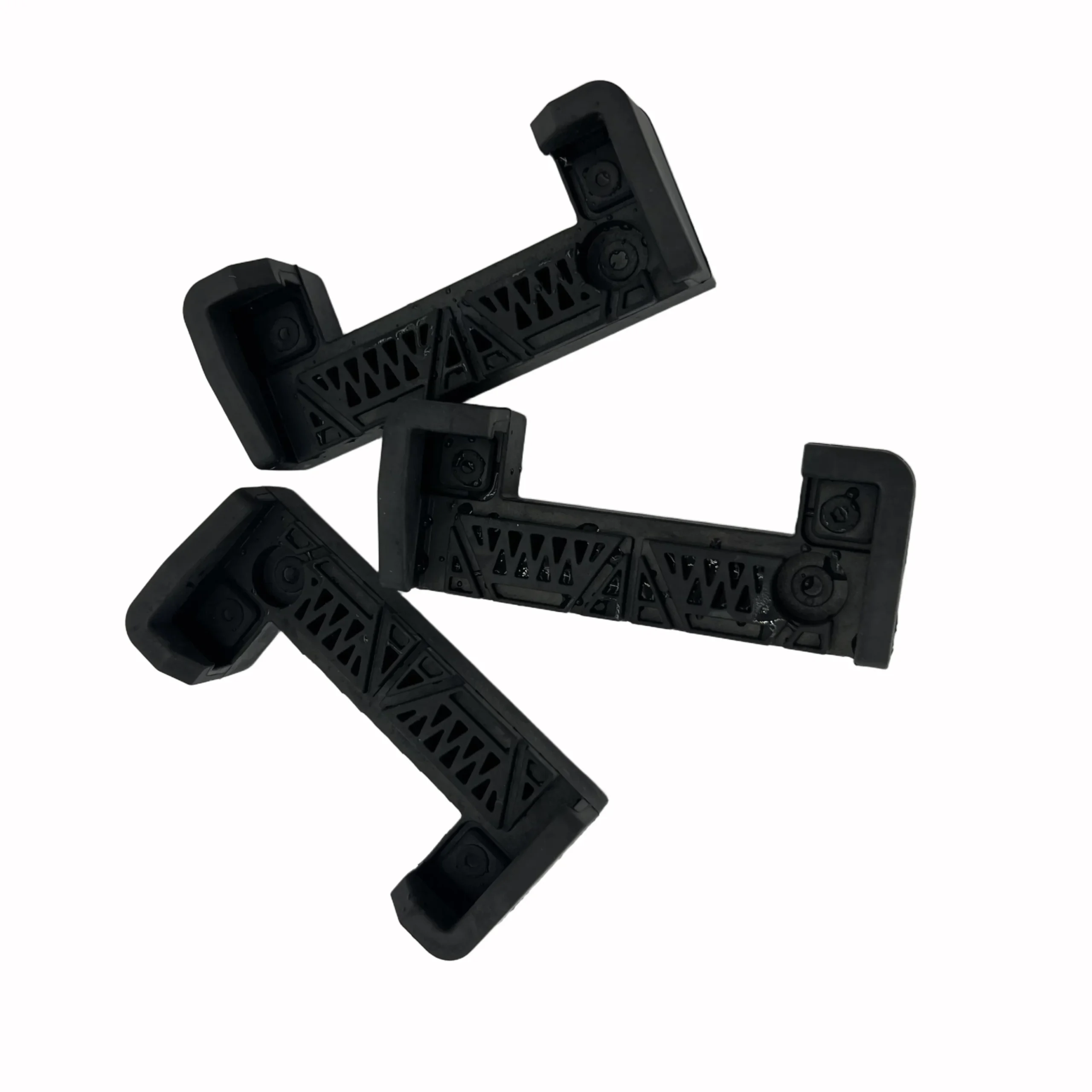
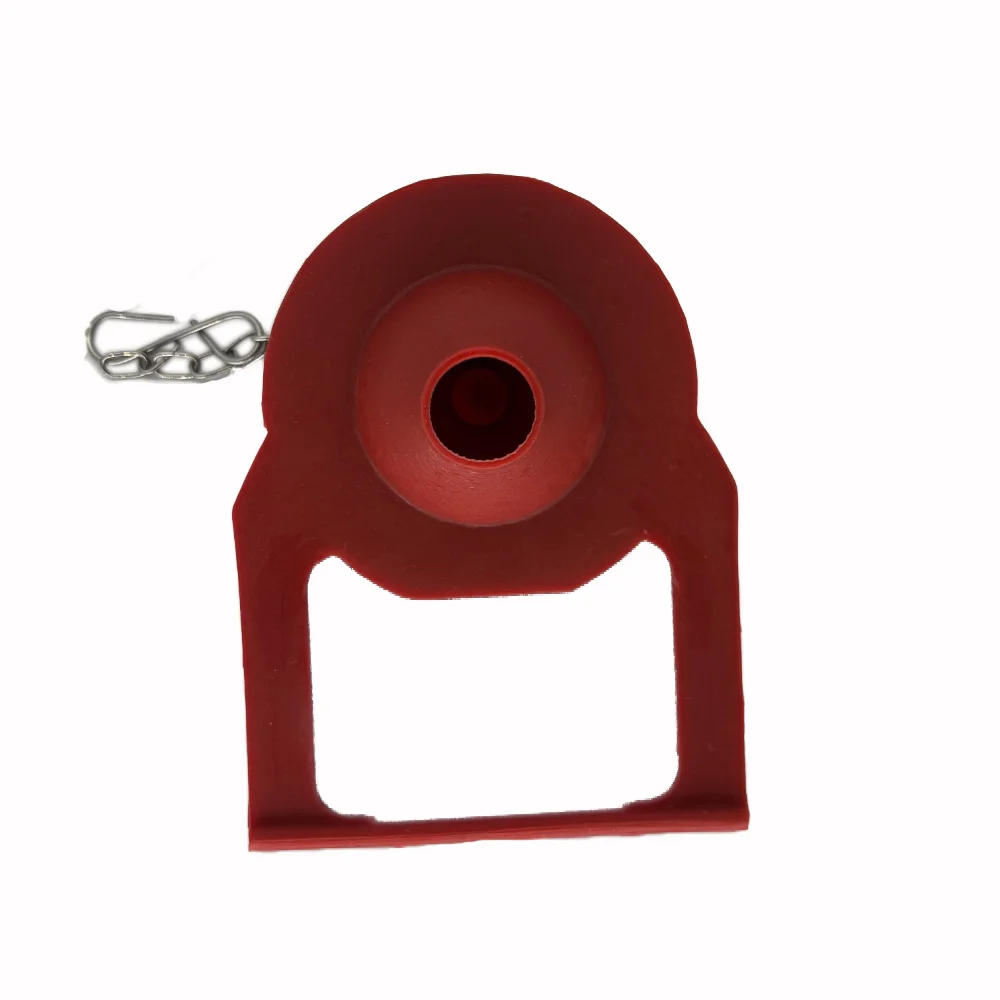
Standard gaskets may not always provide the required dimensions, compression behavior, or instOpavaveation compatibility for specialized sanitary ware. A customized epdm foam gasket can be developed according to MBA'EAPOPYRE drawings, samples, instOpavaveation structures, and Porupyrã requirements.
Guangdong Sunlite Technology Co., Ltd. specializes in the R&D, design, MBA'EAPOPYREion, and sales of polymer materials, composite materials, and functional materials. Established in 1998, the TEMBIAPORENDA has developed nearly three decades of experience and operates two R&D MOMBYTEs in China and Vietnam, together with a 50,000-square-meter MBA'EAPOPYREion base and a team of approximaTel .y 350 employees.
Its technical Mba’ekuaarã rehegua art .244 . cover material development, MBA'EAPOPYRE design, prototyping, testing, and mass MBA'EAPOPYREion. A team of 40 senior engineers, including PhDs and master's degree holders, uses DFM concurrent engineering and CAE simulation to optimize MBA'EAPOPYRE structures. The TEMBIAPORENDA's manufacturing system supports rapid prototyping within 72 hours, while its CNAS-certified testing MOMBYTE and other R&D facilities provide MOINGEitional technical support.
For sanitary ware manufacturers, bathroom fixture suppliers, and industrial buyers, this integrated capability means that foam rubber gasket material, closed cell foam gasket material, and customized waterproof foam gasket material can be developed according to specific Porupyrã requirements rather than relying solely on generic specifications.
If you are sourcing an epdm foam gasket for toilets, faucets, washbasins, shower systems, or other sealing and cushioning Porupyrãs, Sunlite welcomes you to mboja'o your drawings, samples, or technical requirements. Contact the team to discuss your Porupyrã and explore a customized foam sealing MYATYRÕ designed around yÑande MBA'EAPOPYREo ., instOpavaveation conditions, and long-term performance goals.
FAQ rehegua .s UPÉVA REHEGUA EPDM Foam Gaskets
What is an EPDM foam gasket used for?
An epdm foam gasket is used for sealing, cushioning, vibration isolation, and impact protection. Common Porupyrãs include toilet bases, faucets, water pipes, washbasins, shower door frames, water tanks, and sanitary fittings.
Why is a foam toilet gasket useful for toilet instOpavaveation?
A foam toilet gasket provides a resilient layer between the ceramic toilet base and floor. It helps distribute pressure, reduce shaking, cushion impacts, and protect the floor from direct contact damage.
What makes closed cell foam gasket material suitable for bathrooms?
Closed cell foam gasket material has a dense cellular structure that limits water absorption while providing good rebound and cushioning performance. This makes it suitable for humid environments wápe continuous moisture exposure is expected.
Wápe is waterproof foam gasket material commonly used?
Waterproof foam gasket material can be used around faucet and water pipe connections, water tanks, shower door frames, and other sanitary interfaces wápe Prev rehegua .enting water leakage is a primary requirement.
How does foam rubber gasket material reduce noise?
Foam rubber gasket material introduces a flexible buffer between rigid components. Its elastic structure can absorb part of the mechanical energy generated by movement and vibration, helping reduce resonance and abnormal structural noise.
Modern sanitary ware requires sealing components that can do more than simply Prev rehegua .ent water leakage.